Filming in Public Spaces in Finland: Guidelines for Productions
Finland offers filmmakers a uniquely accessible and production-friendly environment. Thanks to open landscapes, a high level of trust in society, and straightforward regulation, filming in public spaces is generally simple. At the same time, filmmakers are expected to respect privacy, local customs, and data protection principles.
Filming in Finland is easy going:
- Public filming is generally allowed
- Always minimise disruption
- Respect privacy—legally and culturally
- Ask for permission when in doubt
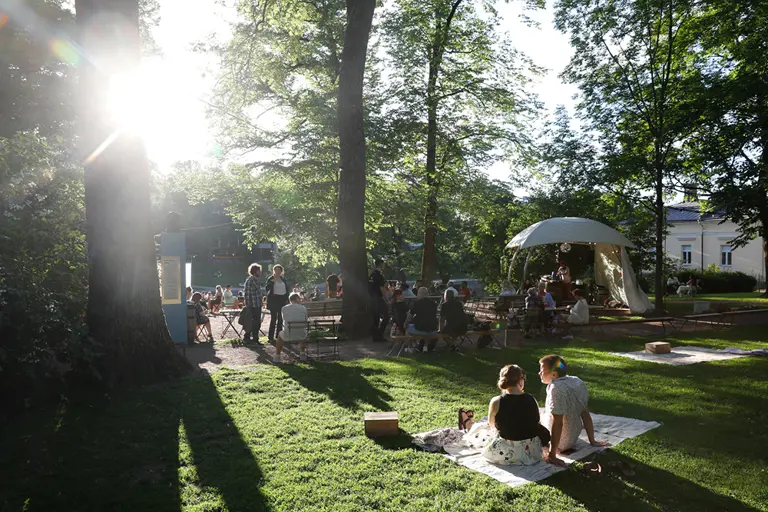
In Finland, filming in public areas such as streets, parks, and open natural environments is generally permitted without a separate filming permit.
This principle is supported by Finland’s “Everyone’s Right,” which allows free access to nature and public outdoor areas.
However, filming must remain low-impact:
- Public spaces must continue to function normally
- Filming must not disturb people, traffic, or public safety
- When in nature, the environment or animals can not be harmed and you should leave no trace nor litter after you
Small crews can typically operate freely as long as they work unobtrusively and respectfully.
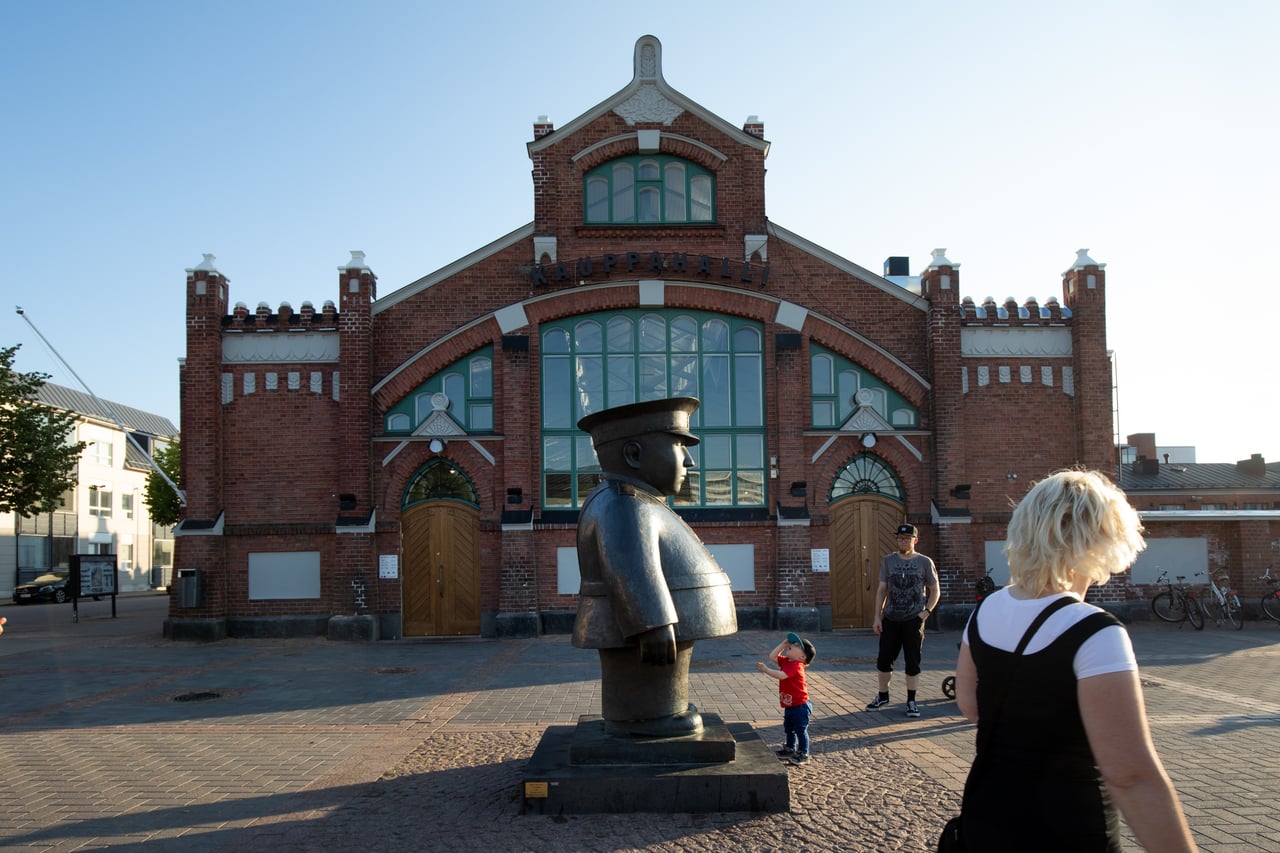
Public artworks and buildings may be filmed if they are not the main subject of the shot.
Can you film people in public?
While filming in public places is allowed, capturing identifiable individuals introduces additional considerations.
As a general rule:
- People may be filmed in public settings
- However, identifiable individuals are considered personal data under EU data protection laws
Filmmakers are advised to:
- Ask consent when a person is clearly identifiable and central to the story
- Be particularly mindful in sensitive or personal situations
- Only film and use what is reasonably necessary for your purpose, and do it in a fair and respectful way
Even when filming is legally permitted, ethical considerations are essential. Always ask permission if a person could feel exposed or can be recognised in your production.
When do you need a permission?
Although public filming is flexible, certain situations require formal permission:
Always required:
- Filming on private property (homes, offices, commercial premises)
Often required:
- Filming that affects public space use (e.g. equipment setups, large crews)
- Traffic control, road closures, or safety arrangements (police permit)
- Restricted locations such as railway areas or public institutions
Case-by-case:
- National parks and protected areas
- Large-scale productions
It is always wise to plan the set with a local production expert or regional film commissions that can assist with permit processes and local coordination.
Privacy and data protection
Finland follows EU data protection regulations (GDPR), which apply to audiovisual content when individuals are identifiable.
For filmmakers, this means:
- Footage containing identifiable individuals must have a lawful basis
- Filming should be purposeful and proportionate
- Transparency and fairness should guide production decisions
Filmmaking for documentaries for journalistic or artistic purposes may benefit from certain exemptions, but responsible handling of personal data is always required. Any commercial filming always requires clear consent and usage rights. Regardless of production type, filmmakers are expected to respect privacy, data protection, and local cultural expectations.
The rules for filming are the same for different production types but the responsibility increases with commercial use and scale.
Cultural expectations in Finland
Understanding Finnish culture is essential for successful filming.
Finnish society places a strong emphasis on:
- Personal privacy
- Physical space
- Non-intrusive behaviour
In practice, this means:
- Avoid intrusive filming or drawing unnecessary attention
- Respect people’s willingness or unwillingness to take part and engage
- Keep a low profile in public spaces
Finnish people generally appreciate calm, respectful, and transparent behaviour from film crews.
A Finnish person is considered quiet, direct, and independent, valuing honesty and personal space more than small talk or self-promotion. Beneath the reserved surface, they are reliable, resilient, and deeply warm once trust is earned. Find more about Finnish crews here.
Do you have more questions?
Regional film commissions and local production companies are experienced in handling permits and practical arrangements. If the permissions are needed international productions can rely on Finnish partners to coordinate with the relevant authorities, including the police, fire department and other local authorities.